Want to learn our top eco-friendly tips for students? As people are becoming more aware of the importance of protecting the environment, the days of being in denial about the negative effects of plastic, food waste, and inefficient energy use are over. But as a student, what can you do about this?

You might consider that, to truly make a difference, you need money, but this couldn’t be further from the truth. Although financial donations to charities are, of course, helpful, the small tweaks you can make to your day-to-day life are just as crucial to combating climate change and can even help save you precious cash. Read our best eco-friendly tips for students below.

7 eco-friendly tips for students

1. Save energy

As well as helping the environment, saving energy is a great way to lower your utility bills.

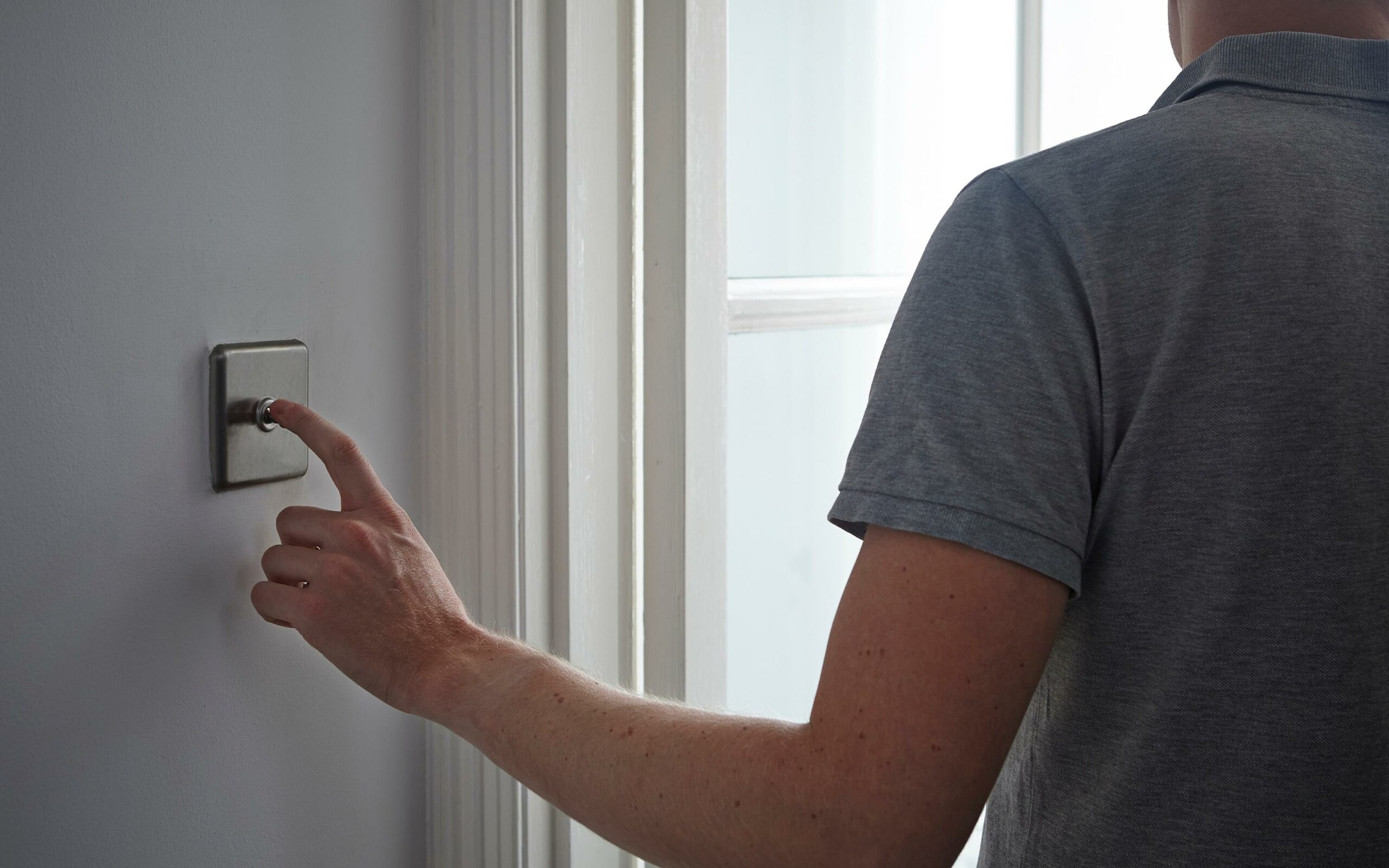
Gas & Electricity: Leaving lights and other electrical appliances switched on when you aren’t using them will cause your energy bill to rise. Turn those lights off when not in use, and put the heating on a timer, so you don’t forget to switch it off. Additionally, batch cooking can be a fantastic way to save energy in the kitchen – as well as save the effort of cooking every day!

Water: Another way to help your bank balance – as well as the planet – is to reduce the amount of water you use, as this means less energy is used to treat it and deliver it to your home. Taking shorter showers, turning the tap off while cleaning your teeth and using less water when washing up are all great ways to save water, without it having a huge impact on your daily routine.

It can be harder to save energy if you are working from home or moving into a shared house, but you can always visit your local library or favourite café to relieve this pressure. Plus, you may be able to switch energy suppliers if you’re not happy with the current one.

2. Recycle and reduce waste

Recycling is an important element of helping the environment. Single-use plastics especially have a devastating impact on the planet.

It’s recently become apparent how much of a negative impact fast fashion – cheap, mass-market clothing produced quickly to keep up with trends – has had on the planet. The textiles used to produce these clothes are often made with toxic chemicals, and research shows that the total greenhouse gas emissions from textile production amount to over 1.2 billion tonnes each year.

This makes it all the more critical to make smart purchasing decisions and avoid impulse buying things you don’t really need!

Top tips for reducing waste:

·       Invest in a reusable water bottle. This means you have no need to buy plastic bottles that you’ll have to throw away. 

·       When you next do your weekly supermarket shop, instead of picking up more plastic bags – which can take 1,000 years to degrade – take reusable ones. 

·       Avoid wasting paper by taking notes electronically during lectures and revision. If you must print documents for seminars, print in black and white and on both sides of the paper. Make sure you recycle your paper notes once you have finished with them.

·       Make a weekly meal plan and shopping list so you don’t end up buying more food than you need.

3. Eat less meat

Next on our list of eco-friendly tips for students is to eat less meat. Animal agriculture releases large amounts of greenhouse gases into the environment and is allegedly worse for the planet than cars. Eating less meat can make a difference here.

Check out some tasty meat-free student meals on our Instagram, where we post veggie and vegan recipes regularly.

4. Buy second-hand

If you’re a sucker for a charity shop or thrift store, you’ll love this eco-friendly tip for students. Buying your clothes, books, and other consumables second-hand can go a long way in extending resource lifespans and reducing the need to produce more goods.

Many second-hand items are kept in good condition, so you’ll be grabbing yourself a bargain whilst helping the planet out! Additionally, this approach works two ways, so don’t forget to spring-clean your room periodically and sell items you no longer use.

Second-hand clothes on a clothes rack.

5. Shop locally

When it comes to cooking up your next delicious meal, consider buying local produce from your nearest farmers’ market. This reduces food miles (the distance your food has travelled to get to where you are) and helps support local businesses – win-win!

There are also ways you can keep your meals cheap every single week to stay on budget.

Local produce on a market

6. Skip the car

While cars often offer the most convenient way of getting around, they’re not the most environmentally friendly. Consider what walking and cycling routes you have available to you before hopping in the car. Many universities have bike share services and accessible cycle paths, so be sure to look at what your area has available.

Not only are these transport methods eco-friendlier, but they will also be kinder on your wallet! If your destination is a little further out, public transport (such as buses or trains) is also better for the environment than driving.

7. Educate yourself

There’s no better way to become sustainable than by keeping up with what it’s all about. Do your research, read articles, and stay informed about what you can do for your community to be an eco-friendly student and what groups or societies you can join. It’s always more fun to be in it together with a group of friends, after all!

That's a wrap on eco-friendly tips for students!

Although the environmental issues seem overwhelming – and there’s a long way to go to repair the damage already done – it isn’t too late to start making these small changes to your daily routine. Following these eco-friendly student tips can help you live a much greener lifestyle and go a long way to help better the planet, without having to spend a small fortune.

Keeping your energy limited can not only save the environment but also save on your costs. Here at Split the Bills, we take care of setting up your utility bill accounts for you and ensure they’re split equally across the housemates. All you have to do is pay one bill each month, giving you the peace of mind that it’s all taken care of.

Any questions? Learn more about what we do or get in touch with our team!

Woman cleaning the kitchen

Why Always Me? How to Split Responsibilities in a House Share

If you’re the housemate that seems to always take care of everything, the burden can soon add up, and it can start to feel like your home life is another full time job. Fear not – we’re here to help you share the load, getting more people to pitch in with chores and freeing your time up to do more important things, like watching TV, mindlessly scrolling on your phone or having a well-earned nap.

Read More »

Explore Nottingham on a Budget

Nottingham has stood the test of time to become one of the UK’s most vibrant and exciting cities, so we don’t blame you for wanting to get to know Nottingham better. Read our guide to find out how you can make the most of Nottingham on a budget.

Read More »

Explore Cardiff on a Budget

Trying to figure out exactly how to spend your time in Cardiff can soon get overwhelming — especially when taking budgeting into account. Whether you’re a Cardiff student or are just visiting for the day, let us give you our recommendations for getting to know Cardiff on the cheap.

Read More »