Last updated: January 2026

If you’re starting uni in September, your inbox is probably already piling up with emails about halls of residence. If you’re sitting there wondering what ‘halls of residence’ means, and if this is the only choice for first year, you aren’t alone.

We’ve broken down everything you need to know, including:

Students unpacking in a halls of residence

What are university halls of residence? 

Halls of residence are the go-to student housing setup for first-years. Most unis guarantee all their freshers a spot in halls to help them settle in.

Once you’ve accepted your place at uni, you should get information about how to apply for your room. If you’re going through clearing, it can be a little more complex, but don’t panic – there are always options.

The biggest selling point? Halls are usually right on or super close to campus, so you can basically roll out of bed and walk straight into your morning lectures.

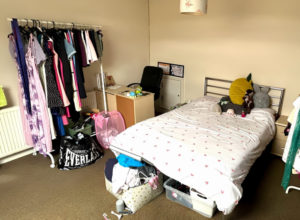
Most student halls consist of single rooms with shared bathrooms and kitchens, though you can also get ensuite rooms or self-contained studio flats. You’ll be able to choose from catered rooms (where some or all your meals are cooked for you) or self-catered options (where you’ll need to buy and cook your food yourself).

Private halls of residence 

While uni halls are owned and managed by your university, you’ll also see a lot of private halls around student cities. These are built exactly like uni halls, but they’re privately run and open to students from any uni in the area.

If a university runs out of space in its own blocks, it will often partner with private halls to house its students there instead.

What are the benefits and drawbacks of student halls?

Benefits of living in halls of residence

There’s a reason why most first-year students opt to live in university halls – they’re an awesome experience and the absolute fastest way to make friends. Here are the benefits of living in halls of residence: 

  • Conveniently located on or close to campus – perfect for rolling out of bed for lectures and saving a fortune on travel.
  • You can choose from a range of accommodation options – find a room that fits your budget and your personal preferences. If sharing a bathroom sounds like your worst nightmare, opt for an en-suite room instead (if it’s within your budget).  
  • All-inclusive rent – unlike privately owned shared accommodation, almost all university halls will include bills in your rent, giving you one less thing to worry about. 
  • You’ll feel like you’re a real part of the student community – although living with strangers might sound scary, they can quickly become long-lasting friends! Learn how to get along with your housemates for some quick ideas.

Cons of halls of residence

Of course, living in university halls isn’t for everyone. Here are some downsides: 

  • They can be loud and distracting – living on campus might not be the most productive environment for focusing on your studies, although you could always invest in a good pair of earplugs and headphones!
  • You might not get along with who you live with – your housemates might turn out to be lifelong friends, but you might also find that your habits completely clash! Discover how to resolve common arguments to keep the peace.
  • You’ll have to move out after your first year – most universities only offer halls to first-year students, so you’ll have to find somewhere else to live for your second year.
  • You can’t choose who you live with – unlike privately owned shared accommodation, you won’t get to choose your flatmates, so it might not be the right option if you want to live with some friends from home!
Halls of residence building

How do you pay for halls of residence? 

Your Student Finance maintenance loan can help you pay for student accommodation costs. To keep things simple, the uni will usually time your rent deadlines to match the exact dates your student loan drops into your bank account each term.

Remember – you also need money for your living costs. Don’t blow your entire loan on the flashiest studio without checking what you’ll have left for the rest of the term. You’ll also likely need to pay a deposit upfront to secure the room, which you’ll get back when you move out (assuming you haven’t smashed anything).

How much do halls of residence cost? 

According to Save The Student’s 2025 accommodation survey, the average cost for university halls of residence was £615 per month. Private halls crept a bit higher (£650 per month), while privately owned student housing came in cheaper (£532 per month). 

Do you have to live in halls of residence? 

Nope, it’s not a legal requirement. You can opt for privately owned shared accommodation instead – this is where you’ll likely be living in your second year anyway.  

Unlike halls where you can select your preferences but aren’t guaranteed your preferred accommodation (especially if it’s popular), living in private accommodation means you have complete control over where you live. Plus, you can choose your housemates, so it’s the perfect choice if you already know who you want to live with! 

How Split The Bills can help 

One of the main downsides of living in private shared accommodation is having to handle the household bills yourself. So, when you’re ready to move out of halls and into your second year, the good news is that bills don’t have to be a chore – you can always opt for a bill-splitting service to make your life easier… 

At Split The Bills, we do the hard work of setting up utility accounts and direct debits. You choose the services you want included in your package, including uncapped energy, water, broadband and even a TV Licence. There’s no worrying about splitting bills with your housemates or calling energy suppliers – all you need to do is pay one neat bill each month!

If you want a hassle-free way to pay shared household bills, you can find out more about what we do or grab a quote to get started.

Student sorting bills on laptop

What Most Surprised Me about UK Utility Bills as an International Student

Moving to the UK as an international student comes with a lot of adjustments, including trying to figure out the transport system, cooking, getting used to the weather, and (one of the biggest adjustments of all) figuring out how to pay utility bills in a new country. In this blog, I’ll take you through the biggest surprises I came across when tackling bills in the UK as an international student.

Read More »