What I Spend in a Week as a Graduate
Everyone’s finances look different, but I thought I’d share a realistic look at the kinds of things I spend money on in a typical week as a graduate.
Last updated: January 2026
Whether you’re a student or a young professional, tracking your house’s energy usage can be a real headache. If you think your house share is using more energy than average or your meter readings are increasing, this guide is for you!
Here, we’ve broken down everything you need to know about high meter readings. We’ll cover:
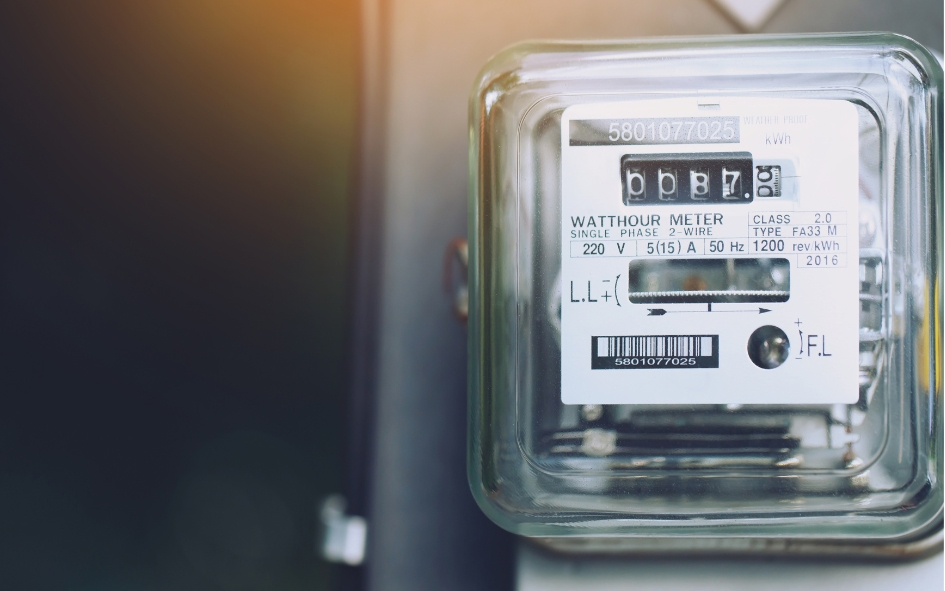
Basically, a meter is a device that measures the amount of gas and electricity your house uses. Your shared house will likely have a separate electric meter and a gas meter (if the property uses gas). You might also have a water meter, but this is less common.
Your electricity meter measures the kilowatt-hour (kWh) of energy consumed, while your gas meter measures the cubic meters of gas flowing through the meter. These readings are used to calculate your gas and electricity bills.
Some houses have smart meters installed. These automatically send readings to your energy supplier, so you don’t have to submit meter readings. They’ll also usually come with a home display device so you can see how much energy you’re using.
You’ll need to take the correct readings when you move in, every month, and on the day you move out. Write down the number or take a snap of your meter. Then, you can send the readings to your supplier when they ask for them.
How you read your meter will depend on the type; for example, you might have a traditional or digital display.
A high meter reading indicates that your house has used more energy (electricity and gas) since your last reading. If you live in a shared house, knowing if your meter reading is higher than average can be tricky. This is because most data for typical meter readings and average energy bills are based on family homes rather than shared houses.
If you notice that your energy bill has increased or your meter readings are rocketing, you and your housemates probably need to be more careful with your energy usage.
According to Ofgem, a high-usage household, such as a medium-sized shared house, typically uses around 4100 kWh of electricity per year (or around 342 kWh per month).
Continuing to use Ofgem’s averages, a high-usage household, such as a medium-sized shared house, typically uses around 1417 kWh of gas per month.
The average person uses around 140 litres of water per day. If your household is using significantly more than this (per person), it can be considered a high water meter reading. You could think of ways to cut down your water usage and double-check your house for leaks.
If you’ve noticed that your meter readings are higher than usual in your shared house or you’re paying more than you have done previously, here are a few things to consider:
Number of housemates
The more housemates you live with, the higher your energy bills and meter readings will be. If you’ve noticed your meter readings are higher than those of a previous shared house you’ve lived in, it will likely be because more people are living in your current house.
You should also consider the number of guests you have – does one housemate have a boyfriend or girlfriend who is always visiting? Extra house guests mean extra energy used, which definitely impacts your readings.
Seasons and weather
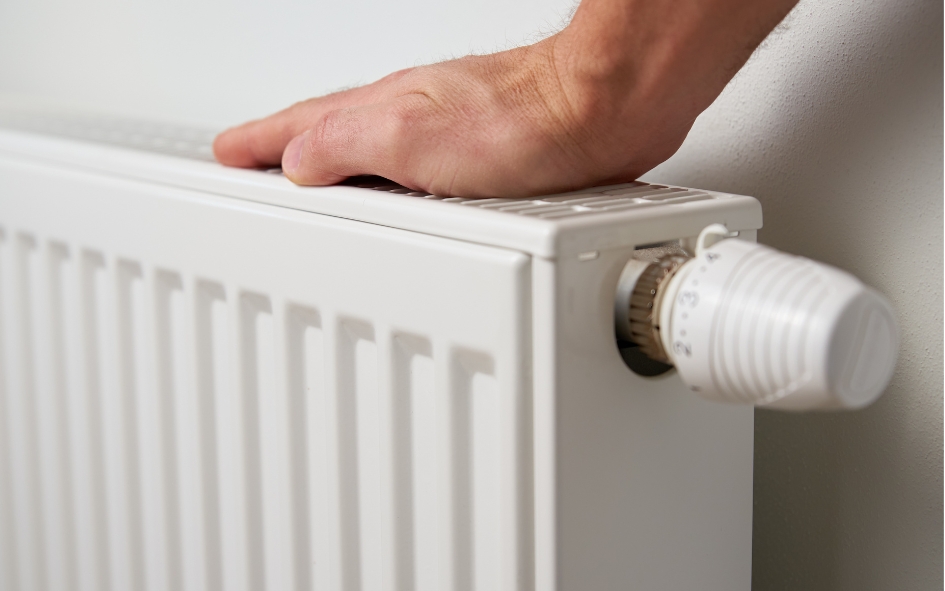
Most households will typically use more energy for heating in the colder months. If you’re not a fan of the cold and your radiators are always on, this will likely mean much higher meter readings. Try to wrap up warm rather than always turning the radiators on, or invest in an electric blanket to keep you toasty!
Energy efficiency
How energy efficient your shared house is will also affect the energy used. This includes how energy-efficient the appliances are and what the insulation is like. There isn’t anything you can do about this, as it’s the landlord’s responsibility to provide appliances (assuming your shared house is furnished) and ensure the insulation is suitable.
Bad habits
Bad habits also contribute to high meter readings, so take a look at our top eco-friendly tips for saving energy and water in the next section.
If any of the above factors are affecting your monthly bills, you may want to consider using a bill-splitting service like us. Want to know what all your utilities will cost this year? You can get an instant quote here.
If you want to bring those meter readings down and live a bit more sustainably, here are some of our top, no-nonsense tips:
If you’re doing your best as a household to manage your energy usage but your bills still seem to fluctuate monthly, an uncapped plan could be the solution!
Split The Bills offers a straightforward bill-splitting service for students and young professionals in shared houses. Our uncapped gas and electricity plan gives you complete peace of mind about your energy usage, so you have one less thing to think about!
You can choose what you want included in your package, including gas, electricity, water, and even a TV Licence (if you plan on watching live TV). Our team will automatically split all of your household bills between everyone living in the house, so there’s no need to worry about someone forgetting to pay their portion of the bills.
If you want a simpler way to pay your shared household bills, find out more about how it works or get in touch with our team!

Everyone’s finances look different, but I thought I’d share a realistic look at the kinds of things I spend money on in a typical week as a graduate.

Credit scores are every adult’s worst nightmare and best friend; that single number can make or break your future, and for many, your time at university can make a bigger impact on that score than you might think.

Moving into a student house is one of the best parts of uni life; more freedom, living with your friends, and finally feeling like a proper adult. But one thing that catches almost everyone off guard? Bills.