About the author: Hi, I’m Emily Bath! I’m in my final year at Leeds Beckett University studying Media, Communication, and Cultures. I’m definitely a homebody at heart and love getting lost in a good book, but I also enjoy heading out for a hike, catching up with friends, or discovering new playlists to keep me motivated while working.

When you move into a student house, everyone suddenly becomes an energy expert. One housemate says never touch the thermostat. Someone else insists you have to turn everything off at the socket. And then there’s that one person timing their showers like they’re training for the Olympics.

The problem? Not all energy advice is actually true. And if you’re using a bill-splitting service like Split The Bills, some of these “money-saving” energy myths don’t even apply in the way people think they do.

If you’re paying one fixed amount each month, your bill isn’t constantly changing based on every five-minute decision. But that doesn’t mean usage doesn’t matter. Let’s clear a few things up…

Twp lightbulbs

Top energy myths to look out for

Myth #1: Smart meters automatically save you money

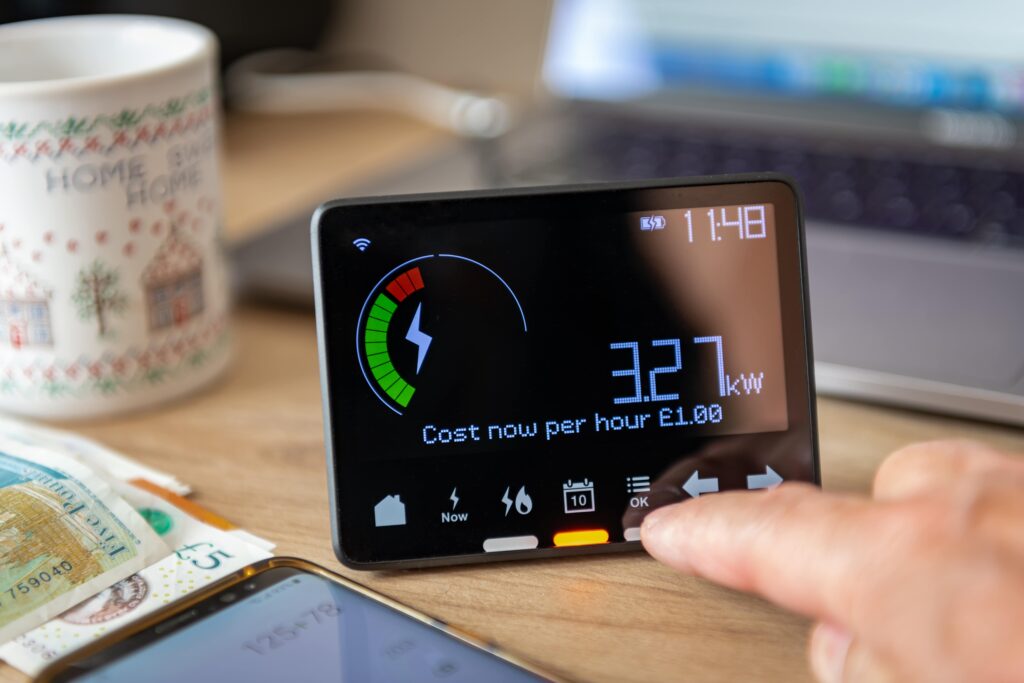
Smart meters don’t magically reduce your bills. According to Smart Energy GB, they simply show how much energy your house is using in real time.

In a big uni house, that visibility can be eye-opening. You quickly realise how expensive it is to leave the heating on all day or run appliances constantly. Even if you’re on a fixed monthly payment through Split The Bills, understanding usage still matters. The meter itself doesn’t do the saving; it just makes you more aware. Any real difference comes from changing behaviour.

Myth #2: Turning radiators off completely in empty rooms saves loads  

This energy-saving myth sounds logical, but it’s not always that simple.

Turning radiators down in unused rooms can help reduce overall energy usage. However, according to The Radiator Centre, completely switching them off can sometimes make your boiler work harder to heat the rest of the house, especially in older student properties.

If you’ve come back after Christmas, summer, or a long period without heating, you’ll know how long it can take for a freezing room to warm up. That sudden demand can put more strain on the system.

A better approach is keeping unused rooms at a low, steady temperature while you’re in the house. Citizens Advice suggests maintaining a consistent, lower heat rather than turning heating fully on and off, as this can prevent issues like damp and mould (something student houses are not strangers to) and avoids overworking your heating system.

Myth #3: You need five-minute showers, or you’re “wasting money”

Hot water does use energy, that’s true. But the issue isn’t one slightly longer shower. It’s overall household usage.

If five people are all taking 20-minute showers every single day, that’s when energy use adds up. If everyone cuts their shower time slightly, that collective effort makes a difference.

Energy awareness works best when it’s shared. It’s not about obsessively watching the clock; it’s about reasonable habits across the whole house.

A shower turned on

Myth #4: Switching every appliance off at the socket will dramatically cut your bill 

Appliances on standby do use electricity, often called “phantom” or “vampire” energy. But most modern appliances use very small amounts.

That said, the Energy Advice Helpline notes that phantom power can account for up to 10% of household electricity use in the UK. While switching appliances off at the wall can help reduce usage, it’s the bigger appliances (like your TV, the tumble dryer, electric heaters, and the microwave) that use the most energy when on standby – so don’t worry too much about smaller devices. If you’re going to focus your energy-saving efforts anywhere, focus on the bigger habits first.

Myth #5: Turning the thermostat up heats the house faster

This one needs to be retired immediately.

Setting your thermostat to 25°C doesn’t warm the house quicker than setting it to 20°C. As explained by the General Manager at Wunda, it just tells the boiler to keep heating until it hits that higher temperature, which often leads to overheating and wasted energy.

Set it to a comfortable temperature and let it do its job. 

Energy smart meter

Myth #6: It doesn’t matter how your bills are set up… You’ll just “figure it out”

This is probably the biggest energy myth of all.

Sorting out gas, electricity, water, broadband and other utilities between multiple people can quickly become confusing. Who sets it up? Who pays upfront? What happens if someone forgets to transfer their share? What if someone moves out?

Simplify your utilities with Split The Bills

That’s why many students choose a bill-splitting service like Split The Bills. Instead of managing separate suppliers and chasing housemates for payments, your utilities are bundled into one simple monthly payment.

Typically, this includes essentials such as electricity, gas, water, broadband, and a TV licence. Costs are split evenly between housemates, meaning everyone pays the same fixed amount each month. No fluctuating transfers. No surprise calculations. 

Payments are taken via monthly direct debit, making budgeting easier, and there are no setup fees, upfront deposits or hidden charges. Plus, if someone moves out and is replaced, you simply update the account, no chaos required.

Everything is managed in one place, so you can focus on uni life.

Energy awareness as a student isn’t about freezing in your own house or timing every shower. And if you’re on a fixed monthly bill through Split The Bills, it’s not about panicking over every switch, either.

Most energy myths are based on half-truths. The real difference comes from shared responsibility and consistent, sensible habits.

Because the biggest student energy-saving myth? That living together has to be stressful. With a package from Split The Bills, the drama isn’t included.

The views and opinions expressed in these blogs are those of the Split The Bills Content Ambassadors and do not necessarily reflect the opinion of Split The Bills. Split The Bills accepts no liability for the content of these Student Blogs.

Woman cleaning the kitchen

Why Always Me? How to Split Responsibilities in a House Share

If you’re the housemate that seems to always take care of everything, the burden can soon add up, and it can start to feel like your home life is another full time job. Fear not – we’re here to help you share the load, getting more people to pitch in with chores and freeing your time up to do more important things, like watching TV, mindlessly scrolling on your phone or having a well-earned nap.

Read More »

Explore Nottingham on a Budget

Nottingham has stood the test of time to become one of the UK’s most vibrant and exciting cities, so we don’t blame you for wanting to get to know Nottingham better. Read our guide to find out how you can make the most of Nottingham on a budget.

Read More »